

If you, or anyone you know is in immediate danger call 000 now
Safeguarding Children and Young People
Information and resources for creating child-safe environments.
Every child and young person should be safe, respected, supported and protected from harm.
Child safeguarding brings that commitment into everyday practice. It is about promoting children’s wellbeing and creating environments where they are welcomed, heard and able to participate safely.
For organisations, this means putting clear policies, practical procedures and appropriate safeguards in place to prevent abuse, neglect and exploitation. When these are understood and followed, people are better equipped to recognise risks, respond to concerns and help keep children and young people safe.
This page provides general information and resources for people who work or volunteer with children and young people, and for organisations committed to creating child-safe environments.
Learn more about how Kooyoora can help.
What is child safeguarding?
Who is responsible for safeguarding?
Keeping children and young people safe is a shared responsibility. Everyone who works or volunteers with children and young people has a role to play, including employees, volunteers, contractors and self-employed professionals.
Organisations also have legal responsibilities for the safety of children and young people. The requirements that apply depend on the organisation’s activities, location and the circumstances. See Legal and Reporting Responsibilities below for further information.
The National Principles for Child Safe Organisations provide a nationally consistent framework to help organisations create cultures and practices that support children’s safety and wellbeing.
Recognising safeguarding concerns
A safeguarding concern is anything that may affect the safety, wellbeing or rights of a child or young person, or place them at risk of harm.
Safeguarding concerns can take many forms and may include:
a child or young person speaking about abuse or neglect
signs that a child or young person may be experiencing abuse, neglect or other harm
behaviours that raise concerns about their safety or wellbeing
a lack of appropriate supervision
practices or environments that may place children and young people at risk
concerning or inappropriate behaviour by an adult
gaps in recruitment, screening or the way risks are identified and managed
unsafe online environments or exposure to inappropriate online content
Listening to children and young people
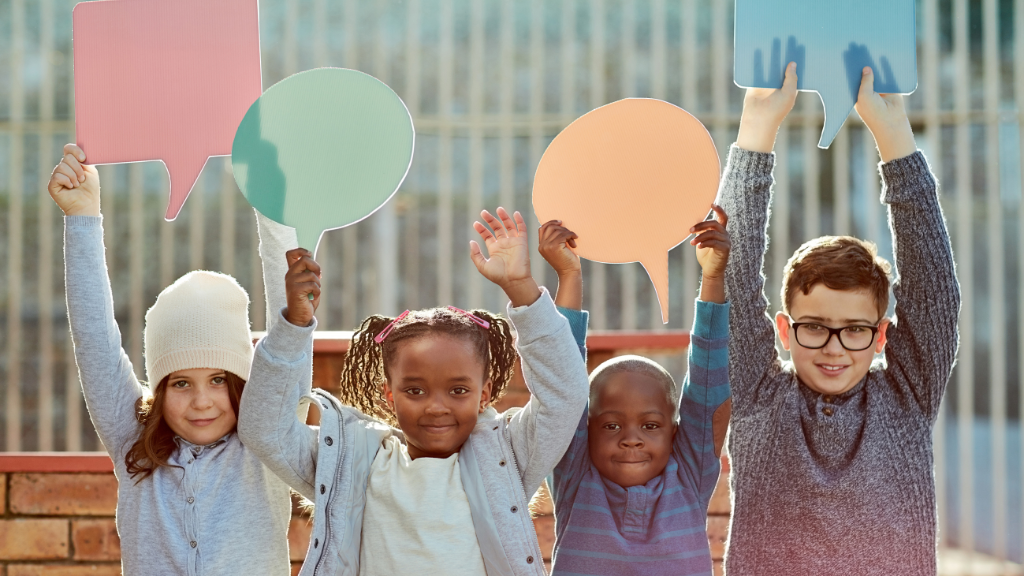
Children and young people communicate in many different ways, and concerns may not always be shared openly or through words.
They may:
talk about something that has happened
hint at a concern through conversation or changes in behaviour
express themselves through writing, drawing or other creative ways
communicate through expressions, actions or subtle cues
Being heard is about more than having the opportunity to speak. It means knowing someone is listening, that your experiences matter and that what you communicate will be taken seriously.
Children and young people may not always feel ready or able to speak openly, and some may not recognise that what they are experiencing is harmful.
By creating safe and supportive ways for children and young people to communicate, adults and organisations can better understand their experiences and include their views in decisions about their safety and wellbeing.
Featured Article
Read our featured article The Voice of the Child: How Listening to Children Is Essential in Safeguarding by Kim Porter. It explores the many ways children communicate and how thoughtful, child-centred responses can help create safer environments.
Creating child-safe environments
Creating a child-safe environment involves more than having policies in place. It means making the safety and wellbeing of children and young people part of an organisation’s culture, everyday practices and decisions.
Organisations can help create safer environments by:
making child safety a clear priority for leaders, employees and volunteers
listening to children and young people and including their views in decisions that affect them
welcoming the involvement of families and communities
respecting each child’s identity, background, culture and individual needs
carefully recruiting, screening and supporting people who work or volunteer with children
providing clear guidance, training and support so everyone understands their responsibilities
making it safe and accessible for children, families and others to raise concerns
identifying and reducing risks in physical and online environments
responding to concerns in a fair, timely and child-centred way
regularly reviewing practices and looking for ways to strengthen them
Child-safe environments are created through everyday actions. When children and young people are listened to, treated with respect and supported to participate, organisations can better understand risks and respond to their needs.
These practices reflect the National Principles for Child Safe Organisations and Victoria’s Child Safe Standards, which provide guidance for creating environments where children and young people are safe, supported and respected.
Featured Resources

Read the article, Rethink Your Hiring to Protect Children in Care by Kim Porter. Safer recruitment starts with the questions we ask. Thoughtful, behaviour-based interview questions can help organisations look beyond qualifications and build teams with a strong commitment to children’s safety and wellbeing.
A practical guide for people and organisations working with children and young people. It explains what safeguarding means, how to recognise and respond to concerns, the importance of listening to children and the shared responsibility for creating child-safe environments. The guide also outlines legal and reporting responsibilities across Australia and Aotearoa New Zealand, with links to trusted information, research and practical resources.
Interactive Flipbook. Use the arrow to turn the pages or click download icon to save a PDF copy to your device.
A practical guide for leaders, staff and volunteers in organisations that work with children and young people. It explores the value of listening to children and provides creative, age-appropriate ways to support children to share their perspectives, ideas and concerns. The guide also explains how organisations can act on feedback, involve children in solutions and strengthen their culture, with practical strategies, tools and a checklist for action.
Interactive Flipbook. Use the arrow to turn the pages or click download icon to save a PDF copy to your device.
A practical guide to safe, respectful and transparent online communication with children and young people. It covers social media, messaging services, email, video calls and education-focused platforms, with guidance on privacy, consent, professional boundaries, platform selection and responses to concerns. The guide also includes practical checklists, templates and scenarios to support organisations in strengthening their approach.
Interactive Flipbook. Use the arrow to turn the pages or click download icon to save a PDF copy to your device.
A practical information sheet for organisations that work with children, with guidance on how to look beyond qualifications and experience during recruitment. It highlights the qualities that support a culture of safety and provides alternative interview questions to explore a candidate’s character, judgement and past behaviour. Read the accompanying article by Kim Porter.
To view the poster, click the full screen icon or the download icon to save a PDF copy to your device.
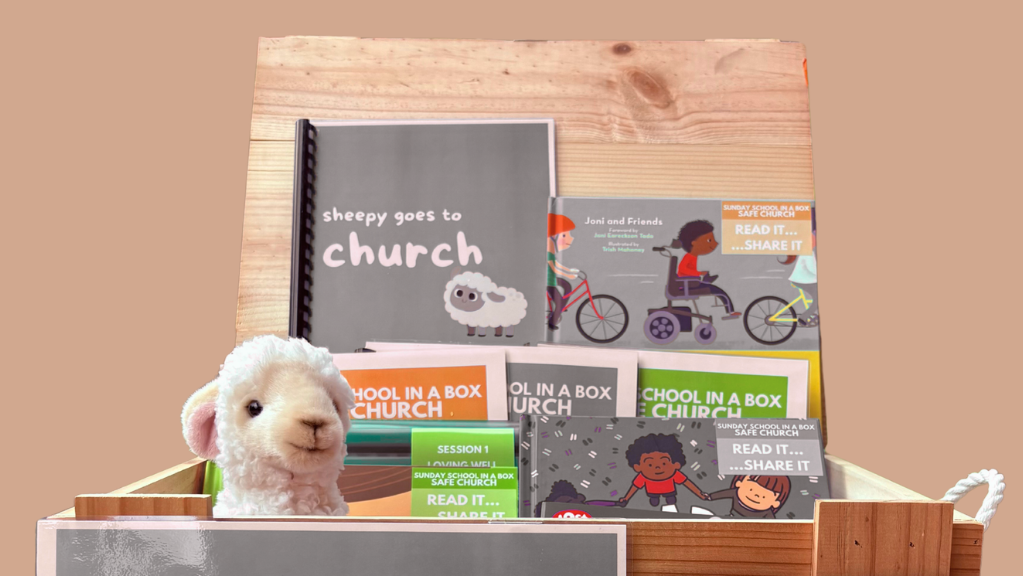
The Protective Behaviours Box is a practical safeguarding resource for faith communities, ministry leaders and facilitators working with children and young people. Developed by the Anglican Diocese of Bendigo, it supports conversations about personal safety, rights, healthy boundaries and respectful relationships through interactive activities and group learning. The box includes books, games, discussion tools, session guides and facilitator resources that help communities build confidence, connection and child-safe practices.

Safeguarding as Mission is a practical presentation for faith leaders, safeguarding practitioners and church communities seeking to strengthen child-safe practices. Drawing on PhD research conducted by Gabby Hunt from the Institute of Child Protection Studies, the session explores common challenges in religious settings, including compliance-focused approaches, conflicting beliefs and attitudes, and barriers to recognising abuse. It also presents practical strategies for embedding safeguarding as a core part of the mission, culture and everyday life of faith-based organisations.
Legal and reporting responsibilities
Acting on concerns about a child or young person is essential to keeping them safe.
Reporting responsibilities vary across Australia and Aotearoa New Zealand. The requirements that apply depend on the relevant law, the organisation, the person’s role and the circumstances.
Organisations should have clear and accessible procedures so employees, volunteers and contractors understand:
how to raise a concern within the organisation
when a concern may need to be reported to an external authority
who is responsible for making and managing reports
how information should be recorded and handled
where to find current guidance and support
Reporting responsibilities in Australia
Mandatory reporting requirements are set by each Australian state and territory. Who must report, what must be reported and when a report is required depend on the relevant law, the person’s role and the circumstances. Professional, organisational and sector-specific requirements may also apply.
The National Office for Child Safety provides reporting information and links to child protection authorities in each Australian state and territory.
Reporting responsibilities in Victoria
Reporting responsibilities in Victoria may arise under several laws and schemes, depending on the organisation, the person's role and the circumstances.
Duty of every Victorian adult to report child sexual abuse
Any adult who forms a reasonable belief that a sexual offence has been committed by an adult against a child under 16 has a legal obligation to report that information to Victoria Police. Failure to disclose this information to police is a criminal offence under Victorian law.
Responsibilities may also include:
complying with the Child Safe Standards where the Standards apply
reporting concerns about possible abuse or neglect to Child Protection, including when required under mandatory reporting laws
notifying the Social Services Regulator under the Reportable Conduct Scheme where the Scheme applies
reporting suspected criminal conduct to Victoria Police
The Social Services Regulator has overseen Victoria’s Reportable Conduct Scheme since February 2026. Organisations covered by the Scheme are legally required to notify the regulator of reportable allegations involving their workers or volunteers.
Reporting responsibilities in Aotearoa New Zealand
In Aotearoa New Zealand, anyone who is concerned about the safety or wellbeing of a child or young person can make a report of concern to Oranga Tamariki or New Zealand Police.
Under the Children’s Act 2014, specified government agencies, school boards and some providers of children’s services must have child protection policies. These policies must include provisions for identifying and reporting child abuse and neglect.
Oranga Tamariki provides guidance on child protection policies and organisational requirements.
When more than one report may be required
An internal report or a notification under a particular scheme may not replace a report that must be made to police, child protection services or another authority. In some circumstances, a concern may need to be reported to more than one organisation.
Reporting responsibilities vary between jurisdictions and laws may change. This information is general and is not legal advice. Individuals and organisations should check current government guidance and seek appropriate professional advice when needed.

How Kooyoora can help
Creating and maintaining a child-safe environment takes ongoing care, clear systems and a shared commitment across the organisation. Kooyoora works alongside organisations to build effective safeguarding practices, understand their responsibilities, manage risks and respond appropriately when concerns arise.
Kooyoora can support organisations with:
child-safe training and development
pre-employment screening for employees and volunteers
managing Working with Children Checks and other clearances through Kooyoora’s Online Screening Application OSCA
complaints management and independent investigations
reviewing and improving organisational policies, systems and practices
trauma-informed counselling services
Preventing harm through culture change
Policies, procedures and legal requirements provide an important foundation, but lasting prevention also depends on an organisation’s culture. Kooyoora’s Abuse Prevention Through Culture Change Framework provides free, research-informed tools to help organisations reflect on their culture, gather feedback, identify factors that may increase the risk of harm and plan meaningful, long-term improvement.
The framework supports organisations to consider how everyday behaviours, systems, relationships and decisions shape whether people feel safe, supported and able to raise concerns.
Whether your organisation is responding to a concern or taking steps to improve its broader approach, Kooyoora can provide independent, impartial and trauma-informed support tailored to your organisation’s needs.
Further information and resources
These trusted resources offer information, practical tools and guidance to help individuals and organisations strengthen the safety and wellbeing of children and young people.
Australia
National Principles for Child Safe Organisations
A nationally consistent approach to creating organisational cultures and practices where children and young people are safe, supported and respected.
Child Safe Organisations implementation tools
Practical resources from the Australian Human Rights Commission, including a self-assessment tool, policy template, example code of conduct and online safety checklist.
Child safety and wellbeing resources
Links to child-safe requirements, screening schemes, reportable conduct schemes and other resources across Australian states and territories.
Aotearoa New Zealand
Safeguarding Children New Zealand
Practical information, training and support to help people and organisations recognise, respond to and prevent harm to tamariki and rangatahi.
Safeguarding your organisation
Guidance on creating a strong safeguarding culture, listening to children and young people, supporting employees and volunteers, and establishing effective systems for preventing and responding to harm.
Child protection policies for early learning services
New Zealand Ministry of Education information about child protection policies, responding to concerns and requirements under the Children’s Act 2014.
Victoria
Victorian Child Safe Standards
Information and guidance to help Victorian organisations understand and implement the 11 Child Safe Standards.
Victorian Reportable Conduct Scheme
Information about the responsibilities of organisations covered by the Scheme, including notifying and responding to allegations involving workers and volunteers.
Research and learning
Australian Child Maltreatment Study
National research examining the prevalence and impact of child maltreatment in Australia.
Australian Child Maltreatment Study Resource Library
Reports, research articles, infographics, webinars, videos and other resources based on the study’s findings.
Institute of Child Protection Studies at Australian Catholic University
Research, resources and professional learning focused on strengthening policy and practice to improve the safety and wellbeing of children and young people.