Guides & Information Sheets
Explore our practical guides, information sheets, posters, templates and tools to support safeguarding, abuse prevention and safer organisational practice.
Safeguarding Guides
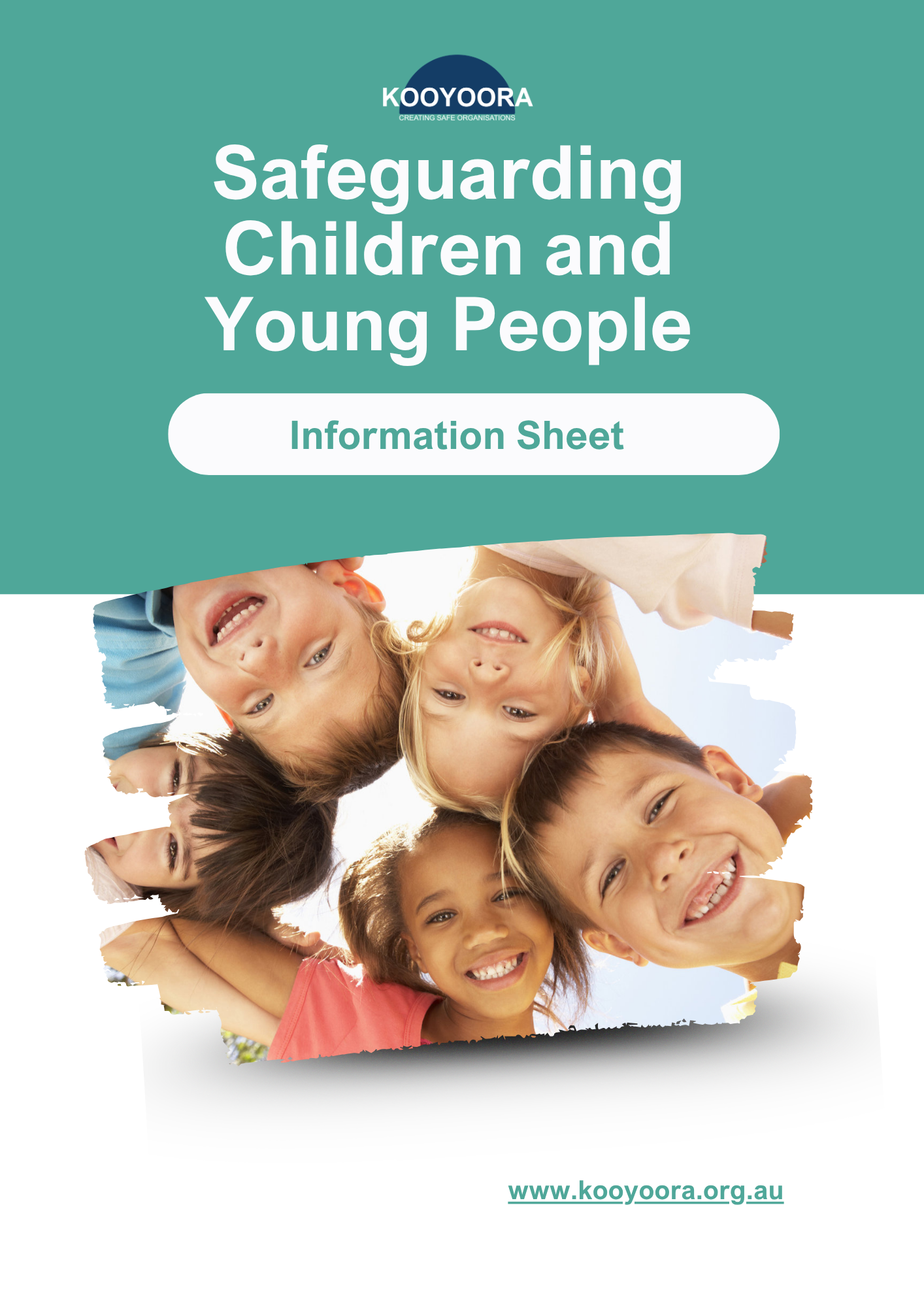
A practical guide for people and organisations working with children and young people. It explains what safeguarding means, how to recognise and respond to concerns, the importance of listening to children and the shared responsibility for creating child-safe environments. The guide also outlines legal and reporting responsibilities across Australia and Aotearoa New Zealand, with links to trusted information, research and practical resources.

A practical guide to safe, respectful and transparent online communication with children and young people. It covers social media, messaging services, email, video calls and education-focused platforms, with guidance on privacy, consent, professional boundaries, platform selection and responses to concerns. The guide also includes practical checklists, templates and scenarios to support organisations in strengthening their approach.

A practical guide for leaders, staff and volunteers in organisations that work with children and young people. It explores the value of listening to children and provides creative, age-appropriate ways to support children to share their perspectives, ideas and concerns. The guide also explains how organisations can act on feedback, involve children in solutions and strengthen their culture, with practical strategies, tools and a checklist for action.
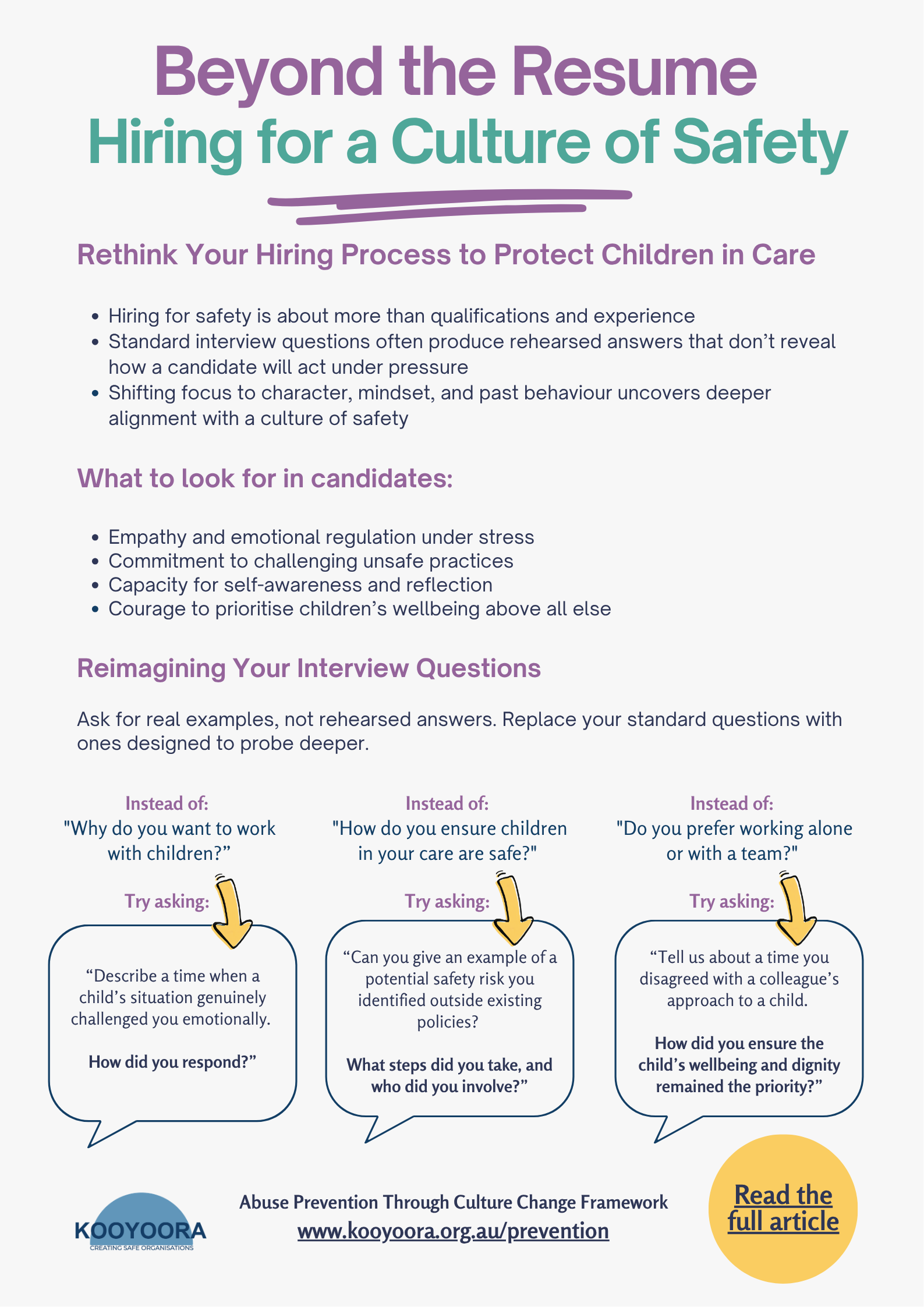
A practical information sheet for organisations that work with children, with guidance on how to look beyond qualifications and experience during recruitment. It highlights the qualities that support a culture of safety and provides alternative interview questions to explore a candidate’s character, judgement and past behaviour. Read the accompanying article by Kim Porter.

A practical guide for anyone who has experienced abuse or harmful behaviour within an organisation or institution, or is supporting someone who has. It outlines steps to consider, from prioritising safety and recording what happened to raising a concern and seeking external support. The guide also includes information about reporting concerns, support through Kooyoora, and links to counselling, workplace, human rights, legal and emergency services.
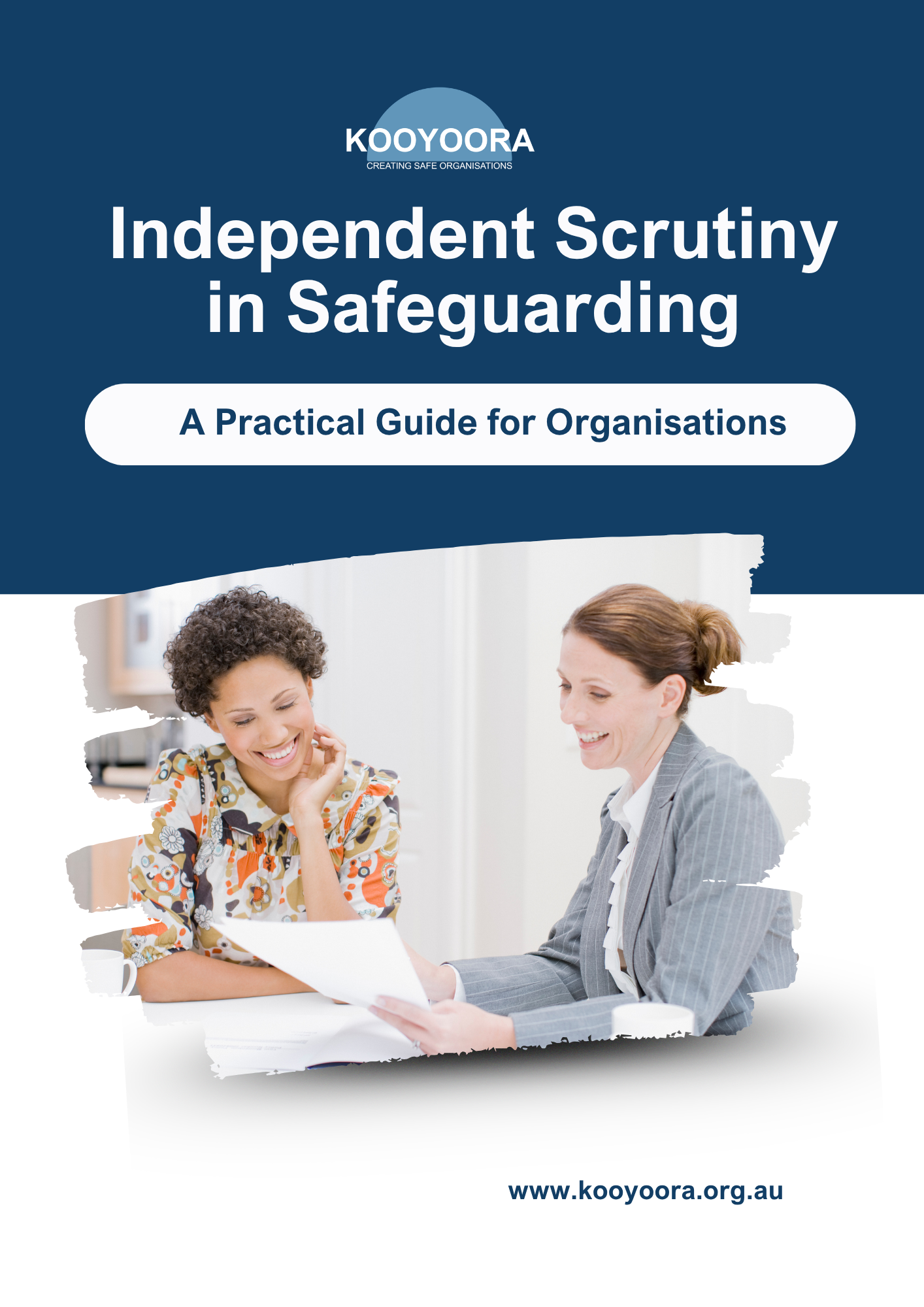
A practical guide for boards, leaders and people responsible for safeguarding. It explains how independent scrutiny can provide an impartial view of an organisation’s safeguarding arrangements, identify strengths and gaps, and support accountability and continual improvement. The guide includes practical questions and a readiness checklist to help organisations consider and prepare for independent oversight.

A research-informed framework that helps organisations understand how culture can contribute to or protect against abuse. Built around eight Psychological Safety Principles, it provides a structured approach to cultural review, self-assessment, improvement planning and ongoing change. The Framework supports organisations to identify cultural risks, strengthen safeguarding practices and create safer cultures where people feel respected, supported and able to raise concerns.

Implementing the Framework: How-to Guide
A practical guide to implementing the Abuse Prevention Through Culture Change Framework within your organisation. It explains each stage of the process, from developing a shared vision and engaging participants to distributing the self-assessment, reviewing the results and creating a Cultural Safety Quality Improvement Plan. The guide also includes links and supporting materials for communication, the self-assessment process, action planning and annual review. Framework supplementary materials are included below.
Communication and Messaging for Self-Assessment Feedback
Guidance for introducing and communicating the purpose of the self-assessment to participants.
Organisational Culture Self-Assessment Tool (PDF)
An anonymous and confidential survey that captures participant perceptions of organisational culture.
Organisational Culture Self-Assessment Tool (Microsoft Forms)
The online Microsoft Forms version of the Organisational Culture Self-Assessment Feedback Form.
Cultural Safety Quality Improvement Plan
A template to review findings, identify priorities and plan actions for cultural and systemic improvement.
Microsoft Forms Setup Guide
A short video demonstrating how to configure and use the Organisational Culture Self-Assessment Tool in Microsoft Forms.