

CEO Report: National Reconciliation Week (27 May – 3 June)
By Fiona Boyle, Kooyoora CEO
Reconciliation, Integrity and Trust
Kooyoora acknowledges the Traditional Custodians of the lands on which we live and work, and we pay our respects to Elders past and present. We recognise Aboriginal and Torres Strait Islander peoples as the First Peoples of Australia and acknowledge their continuing connection to land, culture and community. We also acknowledge the ongoing impact of colonisation and the importance of truth‑telling, healing and justice.
National Reconciliation Week is an opportunity for all Australians to reflect on our shared history, to listen carefully to First Nations voices, and to consider how we contribute to a more just and respectful society.
Why National Reconciliation Week Matters
National Reconciliation Week runs from 27 May to 3 June, marking two significant milestones in Australia’s history:
27 May 1967, when Australians voted to amend the Constitution to include Aboriginal and Torres Strait Islander peoples in the census and allow the Commonwealth to make laws for them
3 June 1992, when the High Court’s Mabo decision recognised that Indigenous land rights existed before colonisation
These moments remind us that reconciliation is grounded in history and responsibility. It is not symbolic alone, it is ongoing work that requires commitment, reflection and action.
Reconciliation and Kooyoora’s Work
Kooyoora’s role is focused on integrity, accountability and safeguarding within institutional contexts. Reconciliation is central to this work.
Aboriginal and Torres Strait Islander peoples have often experienced misuse of authority, barriers to being heard, and systems that have caused further harm rather than protection. These experiences understandably shape levels of trust in institutions and complaint processes.
Reconciliation challenges organisations to examine how power is exercised and whether systems genuinely support fairness, safety and dignity for everyone. It is a time that encourages us to know more and do more.
Learning Through Respectful Engagement: Reflections from Last Year
During last year’s Reconciliation Week, Kooyoora invited staff to take part in a creative learning initiative focused on deepening understanding of Aboriginal and Torres Strait Islander cultures, histories and connections to place.
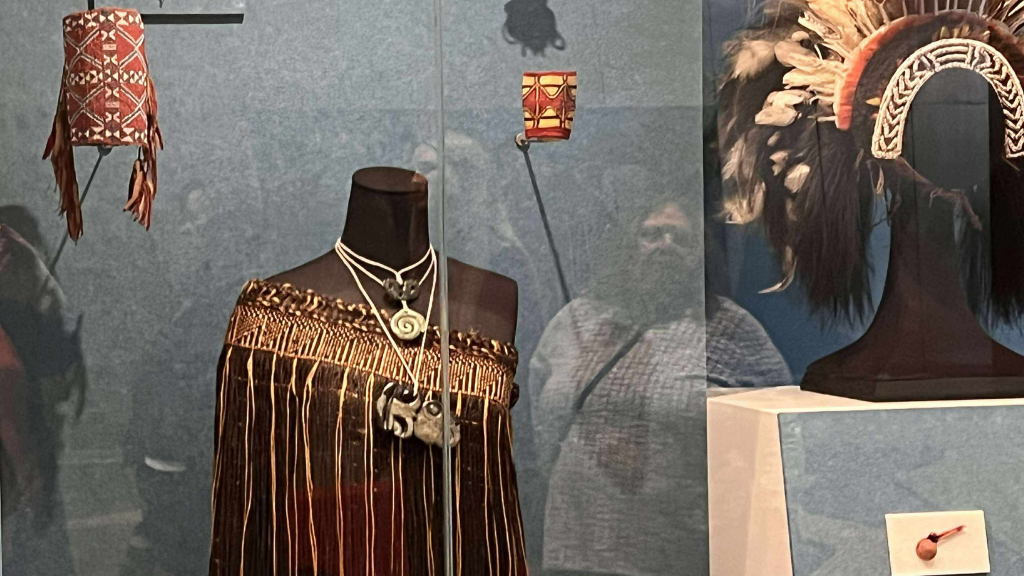
Staff chose their own area of learning and engaged in a range of thoughtful and respectful activities, including:
researching local Aboriginal languages
creating artwork inspired by the local landscape after engaging with, and receiving consent from local Elders
visiting museums and curated collections to learn about artefacts and cultural practices
researching the history of the land on which they live or work, including truth‑telling about massacres, cultural totems, and stories from the Dreaming
The intention was not to become experts or to speak for First Nations peoples, but to listen, learn, and reflect in order to recognise the depth, diversity and resilience of the world’s oldest continuing cultures.
This initiative reinforced that learning about First Nations histories and cultures requires care, respect, consent, and a willingness to sit with challenging truths.
Listening, Safety and Cultural Respect
A key element of reconciliation is listening to lived experience, to community knowledge, and to perspectives that have too often been marginalised.
In safeguarding work, this means recognising that:
people engage with institutions in different ways
cultural context shapes experiences of authority and harm
processes that appear neutral may not produce equitable outcomes
safety includes cultural, emotional and psychological dimensions, not only procedural fairness
Listening with humility is essential to building systems that are worthy of trust.
Our Commitment
Kooyoora is committed to continual learning and improvement in how we undertake our work. This includes:
promoting culturally aware and trauma‑informed practices
critically reflecting on systems and processes through an inclusion and fairness lens
engaging respectfully with Aboriginal and Torres Strait Islander perspectives
acknowledging that reconciliation is ongoing work, not a completed task
This year we have developed a Statement of Commitment to First Nations Peoples. Download Kooyoora’s Reconciliation and Relationship Statement here.
Ways to Engage During Reconciliation Week
Reconciliation Week offers an opportunity for meaningful and respectful engagement. You may wish to:
learn about the Traditional Custodians of the land where you live or work
attend a local Reconciliation Week event
engage with Aboriginal and Torres Strait Islander‑led organisations and resources
reflect on how authority, trust and accountability operate in your own work or community
encourage thoughtful conversations about fairness and inclusion
Reconciliation does not require perfection, it requires openness, respect and sustained effort.
Reconciliation as Integrity in Practice
· Reconciliation is inseparable from integrity.
· Integrity involves truth‑telling.
· Safety is built on trust.
· Accountability depends on listening.
As we mark National Reconciliation Week, we affirm our commitment to contributing to fairer, safer and more respectful systems for everyone.